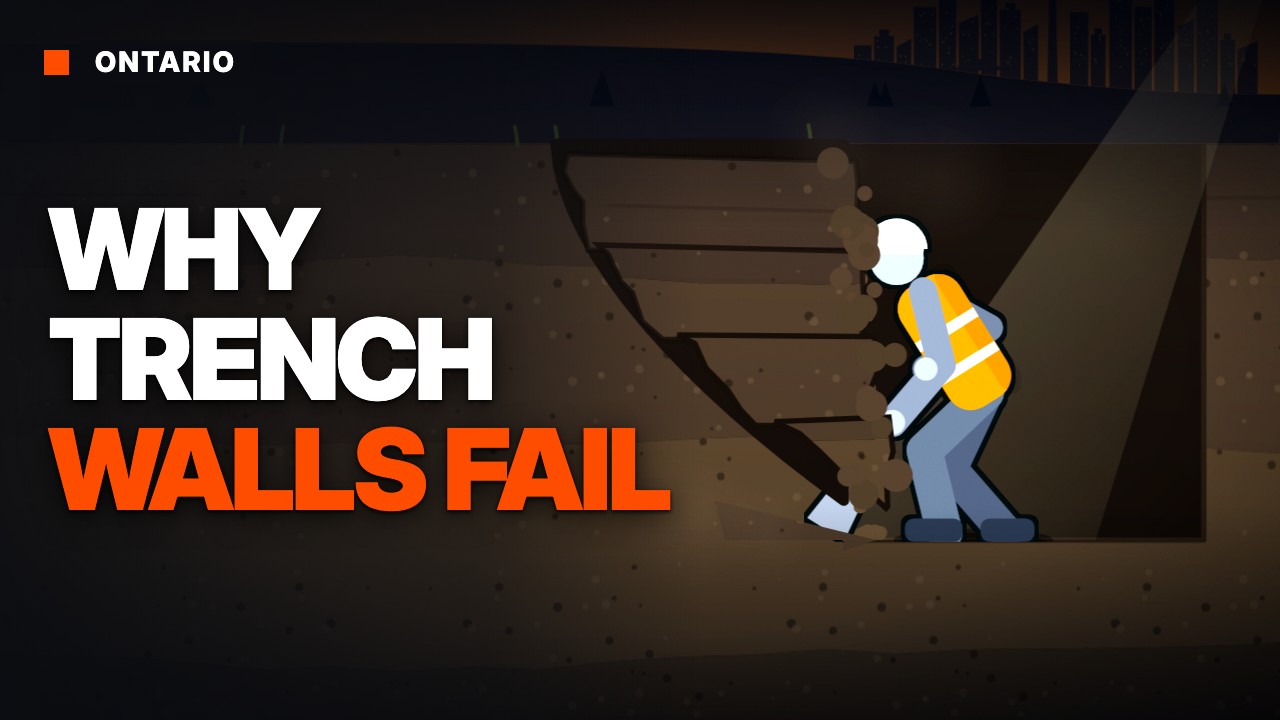
Trench Cave-Ins: Why Trench Walls Fail
What a cave-in is and why it kills, what makes trench walls fail, how time, vibration and frozen ground add to the risk, and what your dig can undermine nearby.

Getting Locates Before You Dig
How to request a locate before you dig in Ontario, private lines a locate can miss, pipelines near the dig, what to have on site before digging, when locates expire, and the rules for shared and emergency locates.

Reading Locate Marks: The Colour Code and Offsets
How to pre-mark your dig and read locate marks: the eight-colour code, offset marks, protecting the marks on site, and why marks you can't see mean the locate has expired.
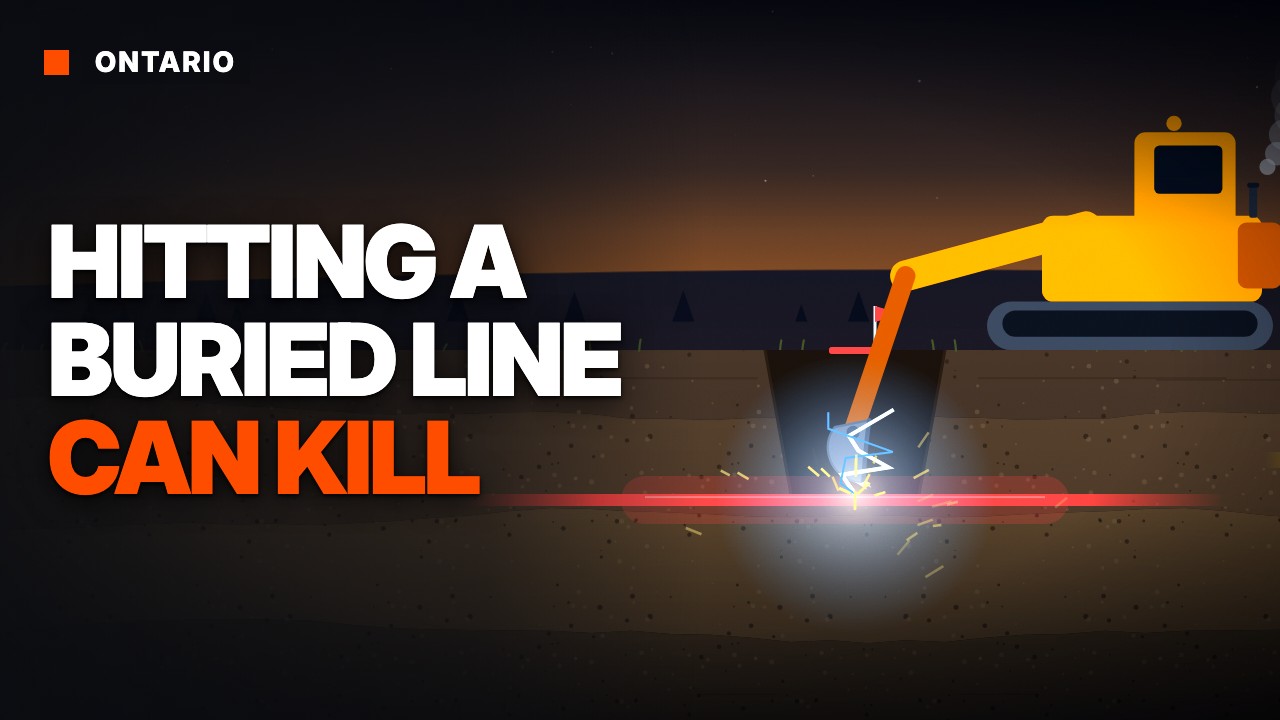
Finding and Exposing Buried Lines
Finding buried lines with test holes, hand digging or hydrovac within 1 metre of the mark, keeping machines 0.3 metres clear once found, and what to do about lines or objects nobody marked.
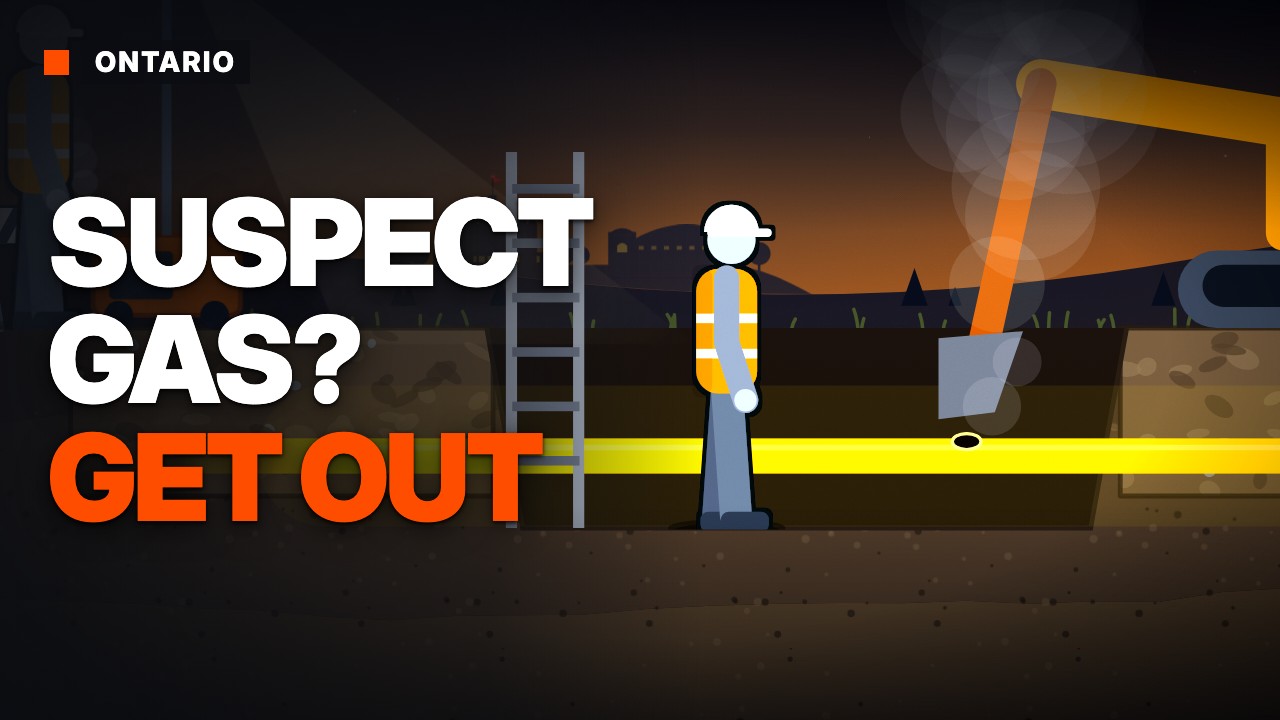
Exposed Lines and Utility Strikes
What to do before you uncover a line, how to protect exposed lines, what to do if you hit one, and how to report even minor damage.
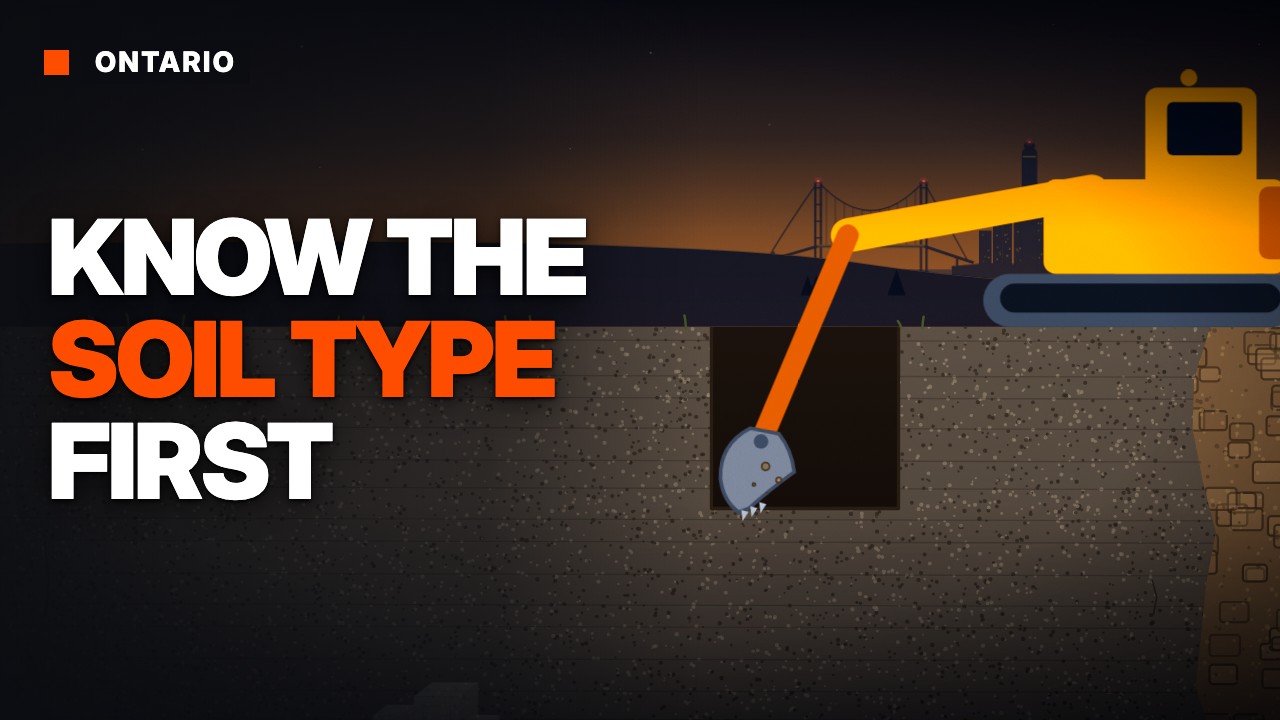
Trench Soil Types 1 to 4
Who decides the soil type and how, Ontario's four soil types, what to do when it isn't clear-cut, and keeping the soil type current as conditions change.
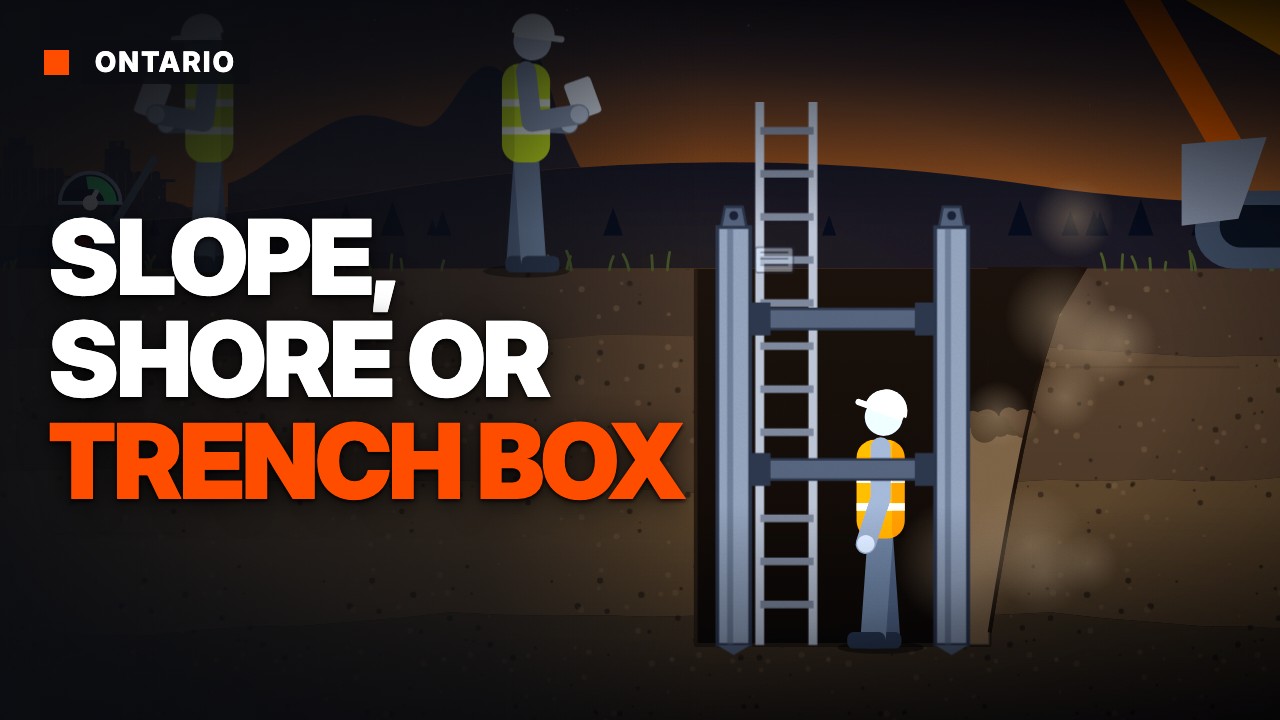
Choosing Trench Protection: Sloping, Shoring and Trench Boxes
When trench walls must be protected, and how sloping, shoring and trench boxes work, including when an engineer must sign off.
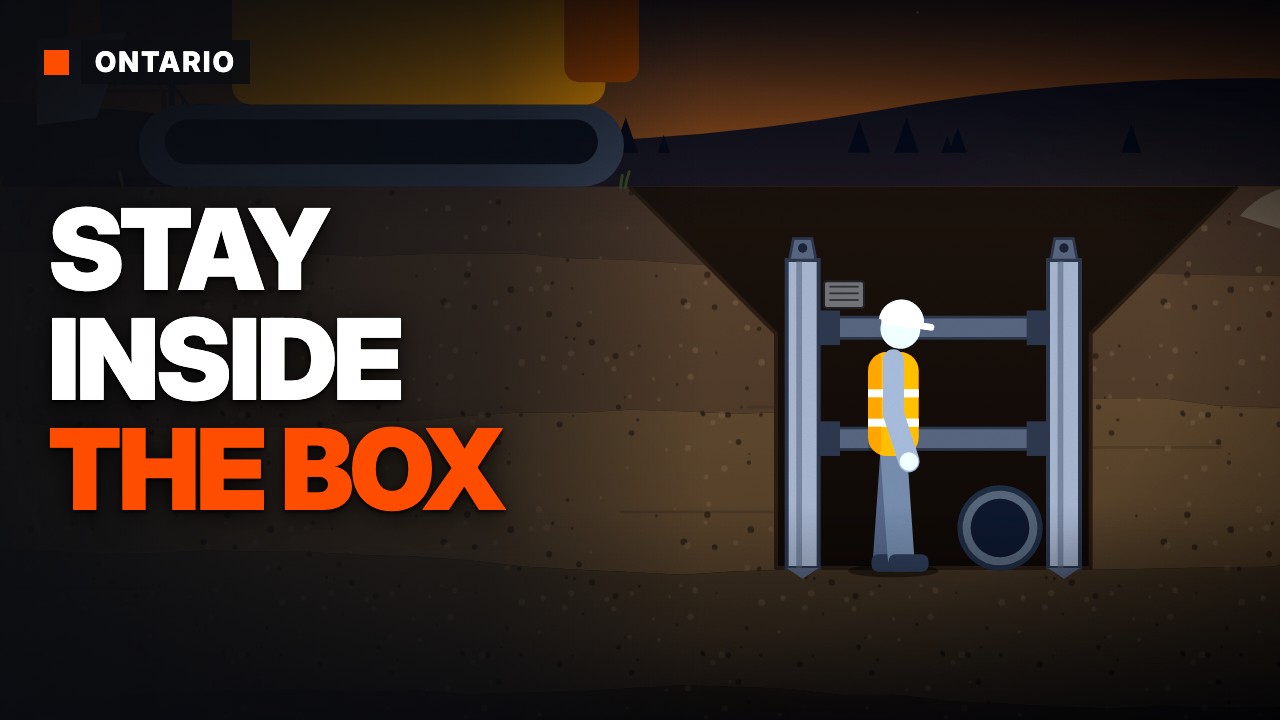
Using Shoring and Trench Boxes Safely
Setting up and moving a trench box, staying inside the protection, looking after shoring, and putting it in and taking it out.

Getting In and Out of a Trench: Ladders and Ramps
Where the way out of a trench has to be, ladders and ramps for getting in and out, and lighting.

Daily Trench Checks and Warning Signs
Who checks a trench and when, the warning signs of a collapse, what to do when you see one, water in the trench, and live sewers and plugs.
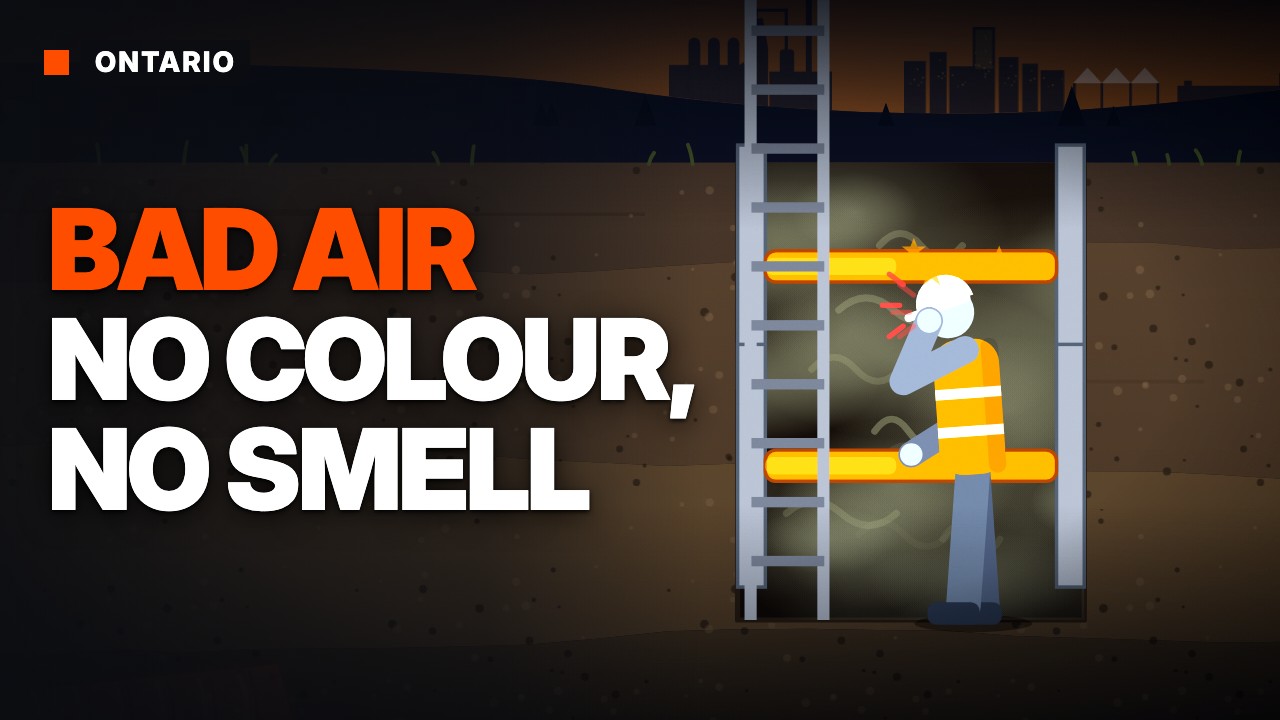
Bad Air in Trenches: Gases, Engines and Air Testing
Where bad air in a trench comes from, what to do if the air is bad, engines running in or near the trench, and testing the air.
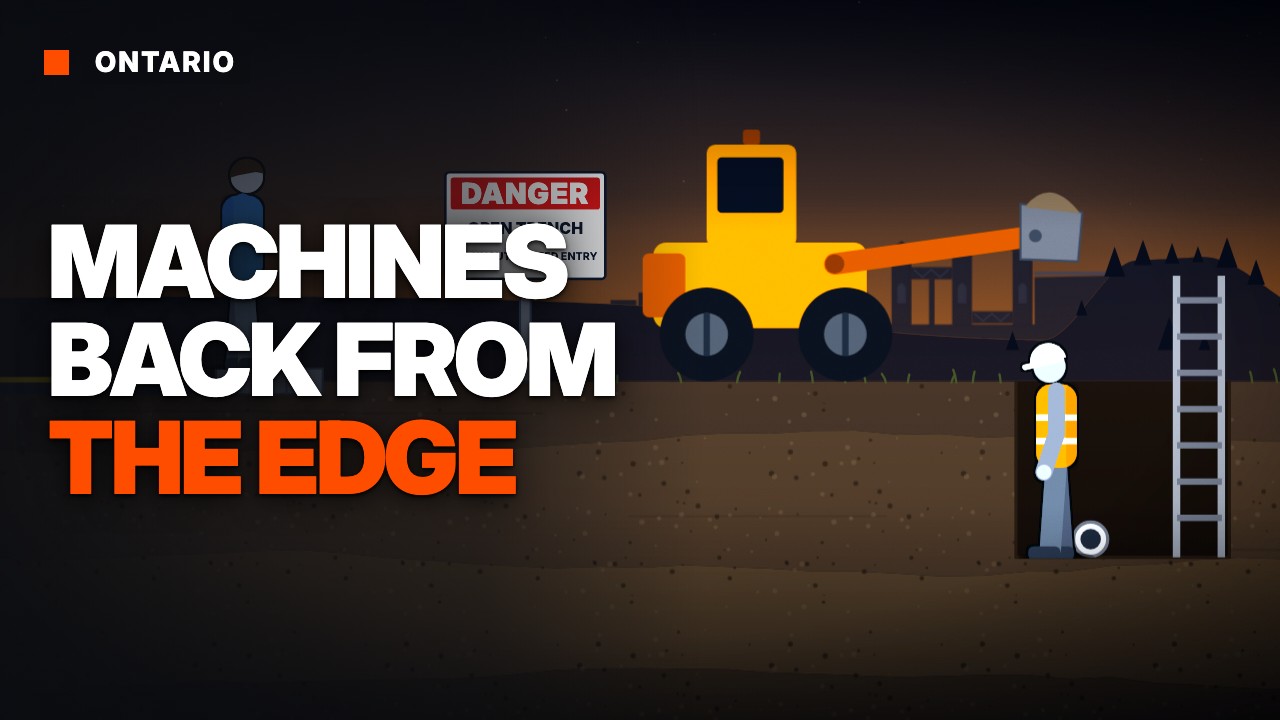
Trench Edges, Machines and the Public
Keeping the trench edge clear, falls and falling material, machines near the walls, loads and reversing, and keeping the public out.

Trench Emergencies and Rescue
Ontario's requirements for written emergency procedures, a worker above ground nearby and two-way communication, and what to do if a worker is buried or collapses in bad air, so rescuers don't become second victims.
General information only, not legal advice. Always follow the regulations, your employer's procedures and the instructions of a competent person on your site. Narration is AI-generated (the Dashpot narrator voice); every script is checked against the sources listed above before it is voiced.